The impact of gambling on mental well-being Understanding psychological effects
The Nature of Gambling and Its Appeal
Gambling is a widespread activity that captivates millions, offering thrills and the promise of financial gain. Its appeal often lies in the adrenaline rush that accompanies risk-taking, where players engage in games of chance with the hope of winning. This anticipation can create an exciting environment, drawing individuals in for both entertainment and potential profit. For those interested, there are best real money poker sites available online.
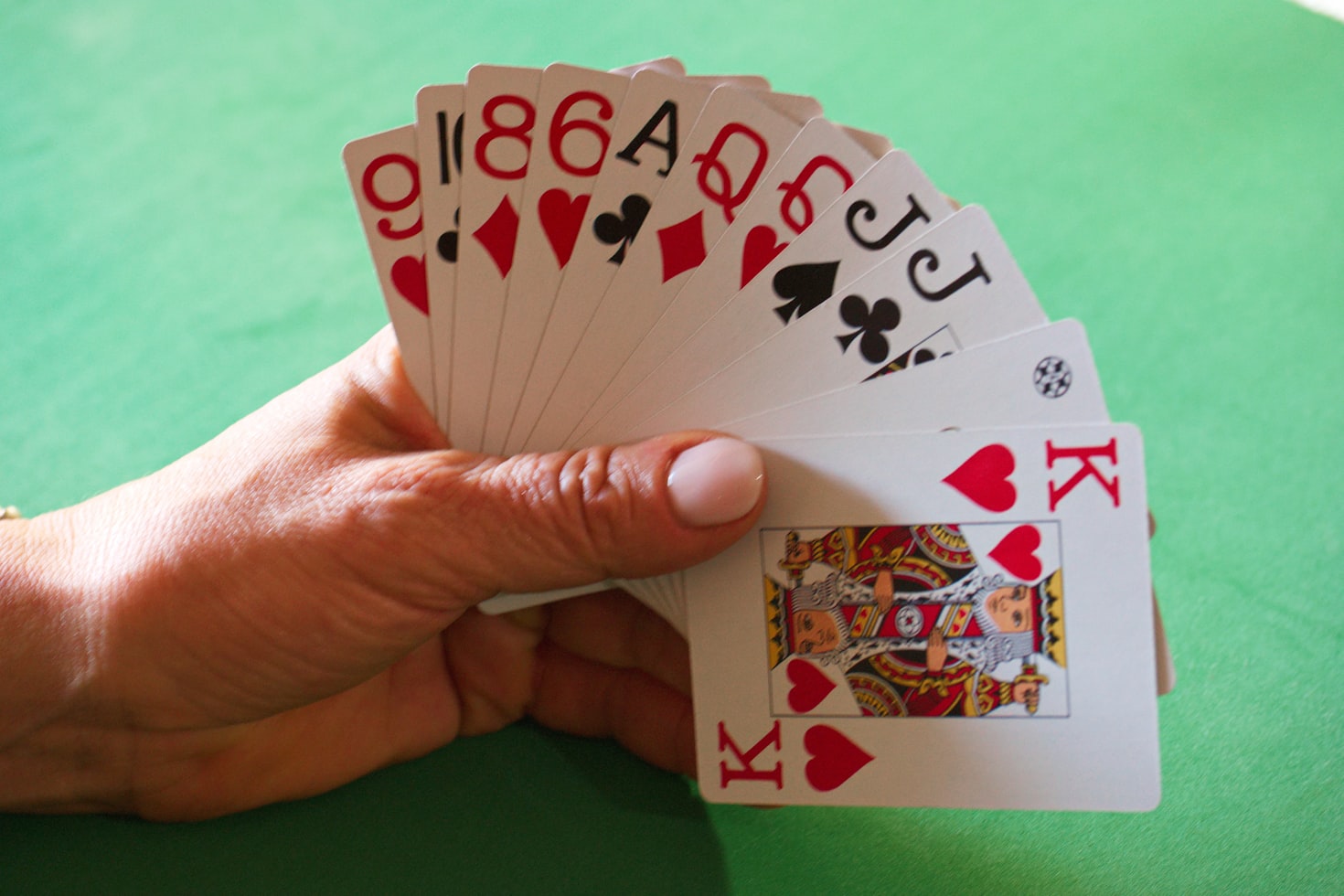
However, the very nature of gambling can have complex psychological implications. The unpredictability of outcomes contributes to a rollercoaster of emotions, from euphoria with wins to despair during losses. This cycle can lead to a compulsive behavior pattern, where individuals might continue gambling despite negative consequences, further impacting their mental health.
The psychological effects of gambling can vary significantly among individuals, influenced by personal experiences and predispositions. While some may find occasional gambling to be a harmless pastime, others may develop issues that escalate into compulsive gambling. This behavior often correlates with anxiety, depression, and even substance abuse, creating a vicious cycle.
Research indicates that the more a person gambles, the higher the likelihood of experiencing negative mental health outcomes. Feelings of guilt and shame may arise after significant losses, leading to a decline in self-esteem and increasing social isolation. Recognizing these symptoms early can be crucial in preventing more severe psychological repercussions.
The Relationship Between Gambling and Stress
Gambling can be both a source of stress relief and a contributor to increased anxiety. For some, the act of gambling serves as an escape from daily pressures, providing a temporary distraction from life’s challenges. However, this reliance on gambling as a coping mechanism can lead to greater stress once reality sets in, especially after losses.
The emotional aftermath of gambling can result in heightened stress levels, particularly when individuals face financial repercussions. The burden of debt or the shame of not being able to control one’s gambling can exacerbate mental health issues, leading to a downward spiral. Understanding this duality is essential in addressing the overall impact of gambling on mental well-being.
Identifying Problem Gambling
Identifying problem gambling is vital for addressing its psychological impact. Signs of problematic gambling include a preoccupation with gambling, unsuccessful attempts to cut back, and gambling despite negative consequences. Awareness of these signs is the first step toward seeking help and making positive changes.
Intervention strategies, including therapy and support groups, can be effective in mitigating the harmful effects of gambling. Early detection allows individuals to explore healthier coping mechanisms and work toward rebuilding their mental well-being. Promoting education around the risks associated with gambling is also crucial in fostering responsible habits among players.

About the Website
This website serves as a comprehensive resource for understanding the mental health implications of gambling. It aims to raise awareness about the psychological effects associated with gambling and provide support for those affected. By offering informative content, the website strives to empower individuals to make informed decisions regarding their gambling habits.
Whether you are seeking help for yourself or a loved one, this platform is dedicated to fostering a community where individuals can share experiences and access valuable resources. Together, we can work towards a better understanding of the impact gambling can have on mental well-being, promoting a healthier relationship with this popular pastime.
“`