The psychological effects of gambling Understanding the mind behind the bets ice fishing casino
The Allure of Gambling
The world of gambling is captivating, drawing individuals into a realm of potential wins and social interaction. Understanding the psychological appeal requires delving into the thrill and excitement that many players experience. The anticipation that comes from placing bets can trigger a rush of adrenaline, akin to other high-stakes activities. This feeling of exhilaration often encourages individuals to return, seeking that euphoric high again. If you’re eager to join in, you can play ice fishing for a dynamic experience that’s unlike any other.
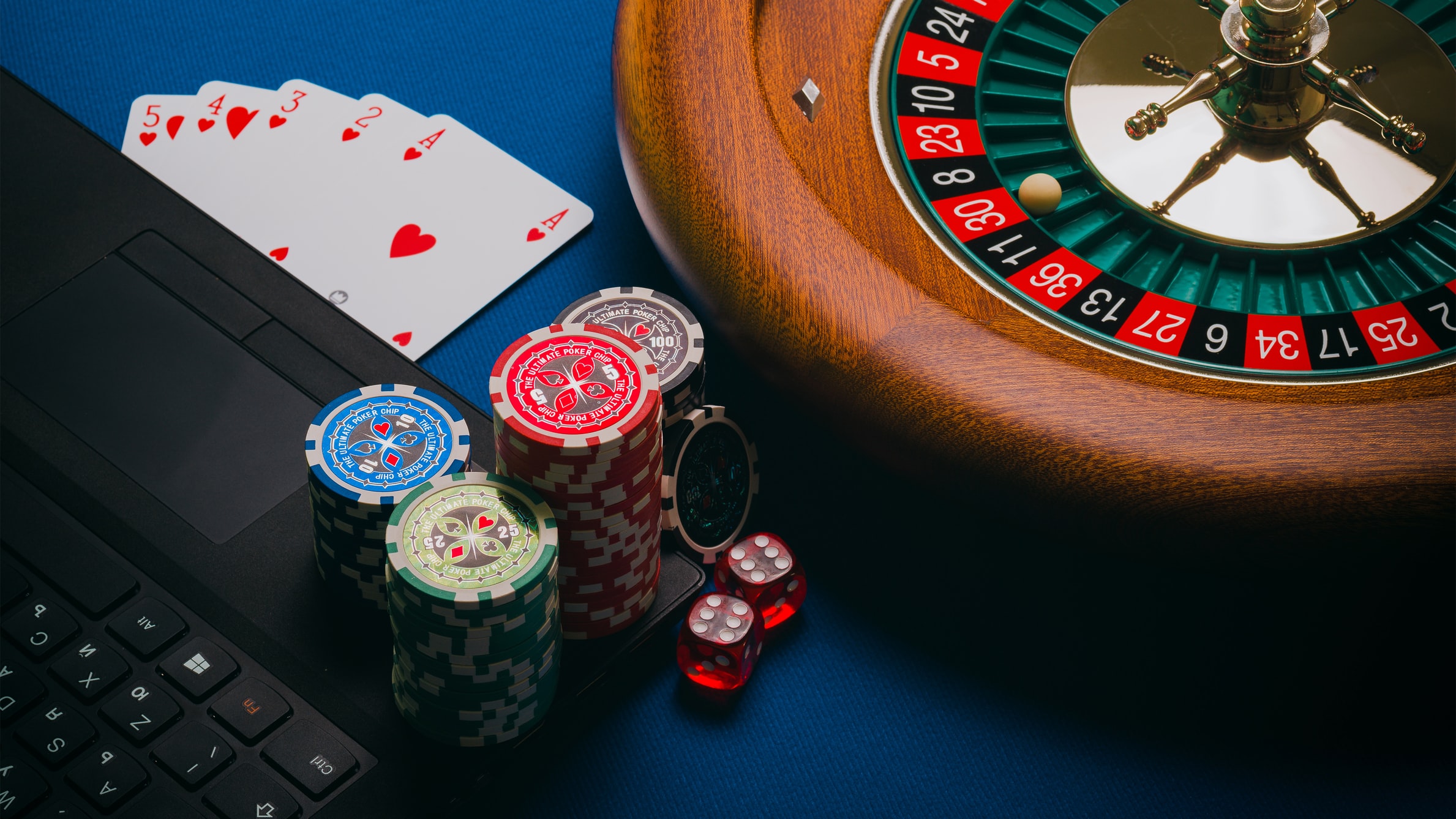
Additionally, the environment surrounding gambling plays a crucial role. The lights, sounds, and social aspects of games like Ice Fishing create a stimulating atmosphere that can enhance the psychological effects. Players are often unaware of how these sensory elements affect their decisions and emotional states, driving them deeper into the experience.
Cognitive Biases in Gambling
Cognitive biases influence how individuals perceive and react to their gambling experiences. One common cognitive bias is the illusion of control, where players believe they can influence the outcome of games. This belief often leads to increased gambling behavior, as individuals feel empowered by their perceived control over chance events.
The gambler’s fallacy also plays a significant role, where players assume that past outcomes can influence future ones. For example, in games like Ice Fishing, if a player experiences a series of losses, they may believe that a win is “due.” These cognitive biases can create a cycle of gambling that is hard to break, impacting mental well-being.
The Role of Social Influences
Social factors significantly shape an individual’s gambling behavior. Cultural perceptions of gambling can either promote or discourage participation. In some cultures, gambling is viewed as a social activity that fosters community bonds, while in others, it may be stigmatized. Understanding these cultural influences is essential to grasp how they impact individual decisions to gamble.
Moreover, peer pressure can significantly sway a person’s gambling choices. In settings like a casino, friends can encourage each other to participate, amplifying the sense of belonging. This social reinforcement can lead to increased gambling frequency, further solidifying the psychological ties associated with betting behaviors.
The Emotional Roller Coaster of Gambling
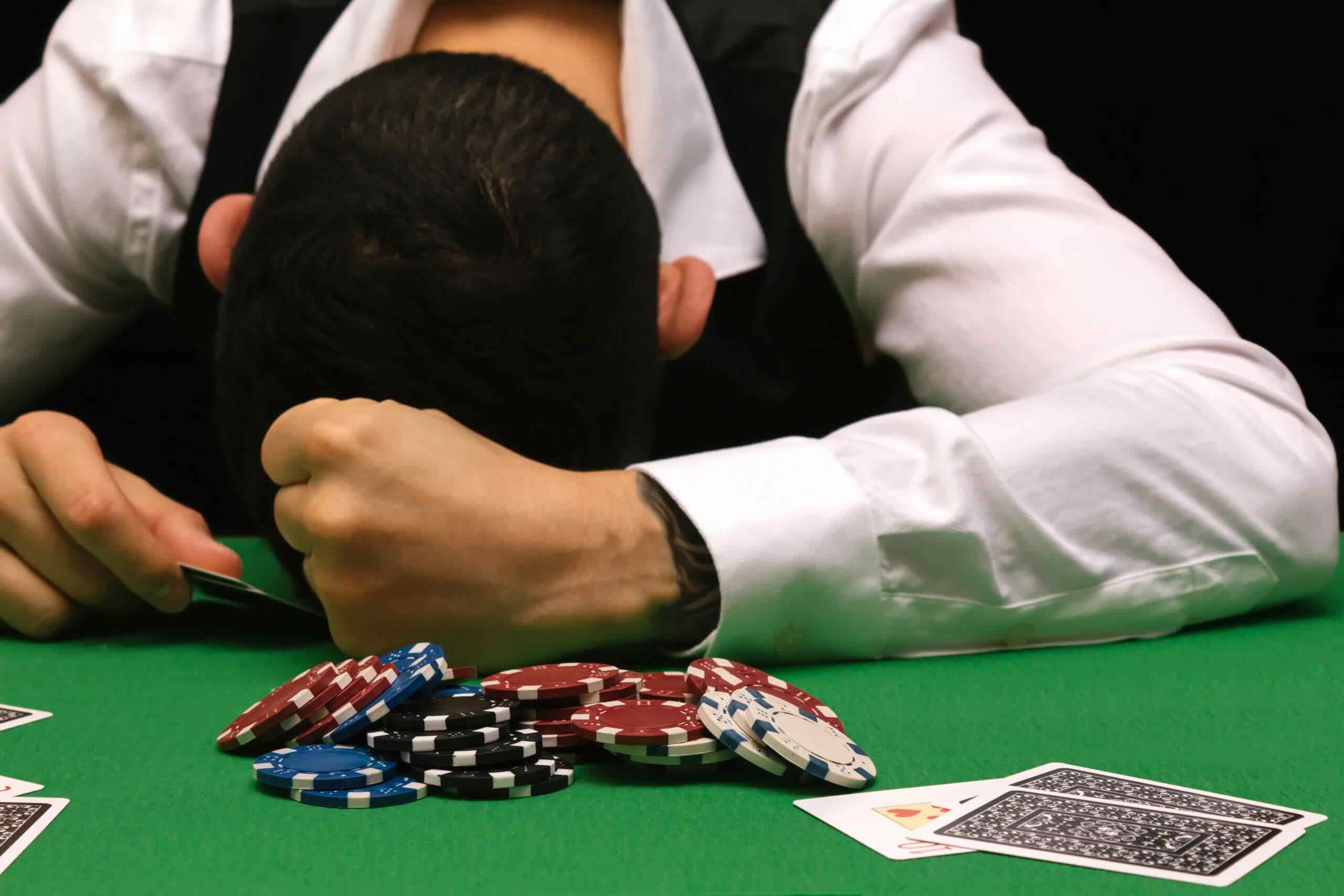
The emotional experience of gambling can be as thrilling as the games themselves. Players often experience a range of emotions, from elation to despair, as they navigate wins and losses. The highs of winning can lead to euphoric feelings, while losses can trigger frustration or sadness. These emotional fluctuations contribute to the addictive nature of gambling.
In games like Ice Fishing, the interactive elements can amplify these emotional responses. The potential for significant wins heightens excitement, while unexpected losses may lead to disappointment. Understanding this emotional roller coaster is vital for recognizing the psychological effects that gambling can have on an individual’s mental state.
Exploring the Ice Fishing Casino Experience
The Ice Fishing casino offers a unique blend of excitement and engagement, making it a captivating choice for players. With its immersive environment, players are drawn into a world that combines the thrill of gambling with interactive gameplay. This mix enhances the psychological effects of gambling, as participants find themselves fully absorbed in the experience.
Moreover, the design of the game encourages players to explore their limits and chase rewards, driving the psychological factors discussed. Engaging with the Ice Fishing casino not only provides entertainment but also serves as a case study for understanding the complex interplay of psychology and gambling behavior.