The mind games of gambling Exploring the psychological effects behind the bets
The Thrill of Uncertainty
The allure of gambling largely stems from the thrill of uncertainty. Players are often drawn to the unpredictable nature of games, where the outcome hangs in a delicate balance between chance and skill. This unpredictability can lead to an adrenaline rush, activating the brain’s reward system. The excitement of winning, no matter how small, reinforces the behavior, making individuals return for more. This cycle can create an illusion of control, where players mistakenly believe they can influence outcomes through strategies or intuition, especially when they explore platforms like wildroyal casino.

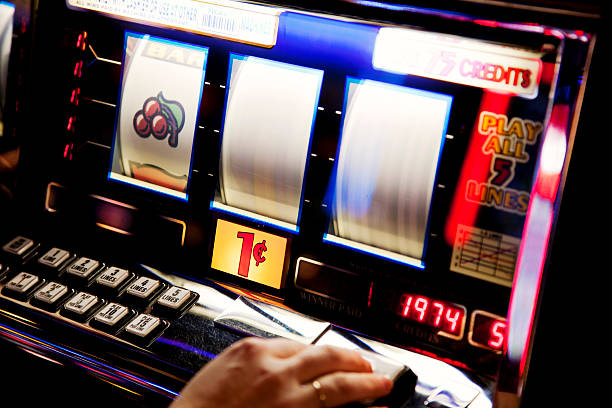
This psychological phenomenon is known as the “gambler’s fallacy,” where individuals assume that past events affect future results. For instance, a player might believe that a slot machine is “due” for a payout after a series of losses. Such thinking can lead to a cycle of repeated bets, blurring the line between rational thought and emotional impulse. As players chase their losses, the initial thrill can spiral into compulsive behaviors, demonstrating how psychological factors heavily influence gambling.
Moreover, the environment in which gambling takes place amplifies these effects. Casinos and online gaming platforms are designed to immerse players in an atmosphere of excitement and expectation. Bright lights, enticing sounds, and enticing graphics create an environment where the brain continuously craves stimulation. This sensory overload can further heighten the sense of urgency, compelling players to engage in riskier betting behaviors in pursuit of that elusive win.
The Role of Losses
Interestingly, losses play a significant role in the gambling experience. While the thrill of winning is celebrated, the emotional aftermath of losing can be profoundly impactful. Players often experience feelings of frustration and disappointment, which can lead them to gamble more in an attempt to recoup their losses. This emotional reaction, known as “loss chasing,” can establish a dangerous cycle where players continuously bet larger amounts, fueled by hope and the desire to regain their footing.
This psychological pattern highlights the conflict between logic and emotion in gambling. Players may know intellectually that chasing losses is irrational, yet their emotions compel them to keep playing. The distress associated with losing can cloud judgment, leading to impulsive decisions that can have dire financial consequences. Over time, this behavior can result in significant monetary loss, all while players maintain the belief that their next bet will bring redemption.
Furthermore, understanding the emotional component of loss is crucial for addressing problem gambling. The psychological toll associated with gambling losses can lead to increased stress, anxiety, and even depression. Many players may not recognize the harm until they find themselves trapped in a cycle of loss and despair, illustrating how gambling is not just about the bets but also about the mental battle that accompanies each wager.
The Illusion of Skill
Another significant psychological effect in gambling is the illusion of skill. Many players believe that their decisions, strategies, and insights give them an edge over the game. This perception is particularly prevalent in games like poker or blackjack, where players can exercise some level of control. While skill does play a role, the randomness inherent in many gambling experiences can lead to overconfidence and misconceptions about one’s abilities.
This illusion can be exacerbated by the environment of competitive play, where players often witness skilled performances. Observing a successful player can create a false sense of competence among others, encouraging them to participate with the belief that they too can replicate that success. The reality, however, is that luck remains a significant factor in determining outcomes, which can lead to frustration and disappointment when results do not align with expectations.
Additionally, the concept of skill in gambling raises important ethical considerations for gaming operators. Many advertising strategies emphasize player success, capitalizing on this illusion and potentially misguiding less experienced players. The resulting expectations can drive individuals to wager more than they can afford in pursuit of a perceived mastery, illuminating the need for responsible gambling practices that prioritize player education and awareness.
The Impact of Social Environment
The social dynamics of gambling can also dramatically influence a player’s experience and behavior. Gambling is often a communal activity, whether in a physical casino or online platform, and this social aspect can amplify both positive and negative feelings. For many, gambling serves as a bonding experience, where individuals share the highs of winning and the lows of losing with friends or fellow players. This camaraderie can create a sense of belonging, making the experience more enjoyable but also potentially leading to riskier behaviors.
Peer pressure is another significant factor that can contribute to gambling behavior. In social settings, individuals may feel compelled to participate in betting activities to maintain their social standing or to fit in. This phenomenon can lead to increased betting amounts and a willingness to take larger risks than one would typically consider. The desire for acceptance and affirmation in social circles can overshadow personal judgment, resulting in choices that may not align with one’s financial or emotional well-being.
Furthermore, online gambling platforms introduce a new layer of social interaction through features like chat rooms and live dealer games. While these elements can enhance the experience, they also present risks, as anonymity can lead to a decreased sense of accountability. Players might engage in more reckless behavior when shielded from the immediate consequences of their actions, further complicating the relationship between social dynamics and gambling behaviors.
Wild Royal Casino: A Responsible Gaming Experience
Wild Royal Casino is an elite online gaming platform that recognizes the psychological complexities behind gambling. With a commitment to responsible gaming, the casino provides a secure environment designed to enhance the overall gaming experience while minimizing potential risks. Their approach includes offering player education and support tools that allow individuals to gamble within their means, promoting a balanced approach to gaming.
The platform features a wide selection of over 500 premium slot titles and 24/7 live dealer tables, ensuring an immersive experience for players. However, Wild Royal Casino emphasizes the importance of understanding the psychological effects of gambling. By promoting fair gameplay and encouraging responsible betting, the casino fosters an environment where enjoyment does not come at the expense of one’s financial or mental health.
Joining Wild Royal Casino means not only indulging in thrilling gaming experiences but also engaging with a platform that values player welfare. With exclusive bonuses and personalized promotions, players can enjoy their gaming journey while being reminded of the importance of maintaining a healthy balance. This dedication to responsible gaming ensures that the thrill of gambling is matched by an understanding of its psychological impacts.