Understanding the psychological triggers behind gambling behavior
The Allure of Risk and Reward
The thrill of gambling often stems from the inherent risk and potential for reward. This dichotomy captivates individuals, activating their desire for excitement and the possibility of winning. The brain’s reward system becomes engaged when people anticipate a win, releasing dopamine, a neurotransmitter associated with pleasure. Moreover, many traders seek out low spread forex brokers to enhance their experiences, as this can substantially affect their overall trading outcomes. This biochemical reaction can make the experience of gambling feel euphoric, enhancing the likelihood of repeated behavior as individuals chase that exhilarating high.

For many, the prospect of winning money is not just about the financial gain but also about the emotional and psychological thrill associated with taking risks. Gamblers often report feeling a rush during gameplay, a rush that can become addictive over time. This heightened state of arousal can obscure the rational assessment of risks and consequences, leading individuals to gamble more frequently in pursuit of that elusive feeling.
Additionally, the concept of “near misses” plays a significant role in reinforcing gambling behavior. When players narrowly miss a win, their brains may interpret it as a signal of potential success, prompting them to continue gambling in hopes of achieving the actual win. This psychological trap can create a cycle of gambling, as players feel compelled to chase their losses while remaining optimistic about future gains.
The Role of Social Influence
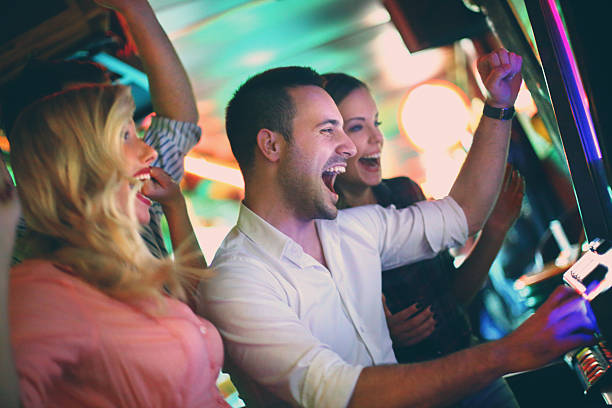
Social dynamics profoundly influence gambling behavior. People are often drawn to gambling environments, such as casinos, where the presence of others creates a shared sense of excitement and camaraderie. Engaging in gambling activities with friends or in social settings can enhance the overall experience, making it more enjoyable and reinforcing the behavior. This social aspect not only adds to the thrill but also normalizes gambling within certain groups.
Moreover, social media and online communities have further amplified the impact of social influence on gambling behaviors. With platforms that showcase wins, strategies, and experiences, individuals may feel encouraged to participate in gambling activities to fit in or seek validation from their peers. This phenomenon can increase the pressure to gamble, especially among younger individuals seeking acceptance in their social circles.
Additionally, the portrayal of gambling in popular culture often glamorizes the lifestyle associated with it, further influencing behavior. Movies, television shows, and advertising frequently depict characters winning large sums of money, creating an aspirational image that can lead individuals to believe that gambling is a viable path to success. This kind of representation may encourage individuals to engage in gambling, driven by the desire to replicate the perceived rewards.
Internal Conflicts and Cognitive Dissonance
Many gamblers experience internal conflicts regarding their behavior. On one hand, the enjoyment and thrill of gambling can be appealing, while on the other hand, they may recognize the potential for negative consequences. This cognitive dissonance creates a psychological struggle, where individuals may try to justify their gambling habits despite knowing the risks involved. They might convince themselves that they can control their gambling or that they will win back their losses, which can perpetuate the cycle of addiction.
Furthermore, the illusion of control plays a significant role in gambling behavior. Many gamblers believe that they can influence the outcome of games of chance, such as slot machines or roulette, even though these games are entirely random. This false sense of control can lead to an overestimation of their skills and an underestimation of the risks, making them more likely to continue gambling in the hopes of achieving a win.
This dissonance can also lead to a range of emotional responses, such as shame or guilt, particularly after experiencing losses. Gamblers may feel compelled to hide their behavior from family and friends, further isolating themselves and deepening the psychological struggle. The internal conflict between enjoying the thrill of gambling and recognizing the consequences can create a toxic cycle, making it increasingly difficult for individuals to break free from their habits.
Understanding Addiction and Compulsion
Gambling addiction is a complex psychological condition that affects individuals differently. For some, it can manifest as a compulsion to gamble, overriding their better judgment and leading to significant personal and financial consequences. The psychological mechanisms at play in gambling addiction often mirror those found in substance abuse disorders, with cravings and withdrawal symptoms taking center stage. As individuals chase the high associated with winning, they may neglect other aspects of their lives, leading to strained relationships and financial instability.
Research suggests that certain personality traits, such as impulsivity and a propensity for risk-taking, may increase vulnerability to gambling addiction. These traits can make it difficult for individuals to recognize when their behavior becomes problematic. Additionally, individuals with underlying mental health issues, such as depression or anxiety, may turn to gambling as a coping mechanism, further exacerbating their addiction.
Understanding the psychological aspects of gambling addiction is crucial for developing effective interventions and support systems. Therapy and counseling can help individuals address their gambling behaviors by fostering self-awareness and teaching coping strategies to manage cravings. Support groups and recovery programs can also provide a sense of community and accountability, crucial components in the journey toward recovery.
Resources and Support for Gambling Behavior
For those grappling with gambling issues, numerous resources can help provide guidance and support. Professional therapy, including cognitive-behavioral therapy (CBT), can effectively address the underlying psychological triggers and behaviors associated with gambling addiction. CBT focuses on changing negative thought patterns and behaviors, enabling individuals to develop healthier coping mechanisms.
Support groups, such as Gamblers Anonymous, offer a community where individuals can share their experiences and strategies for overcoming gambling addiction. These peer-led initiatives can foster a sense of belonging, helping individuals realize they are not alone in their struggles. Engaging with supportive communities can facilitate recovery, providing accountability and encouragement as individuals work toward healthier habits.
It’s important to approach gambling behavior with understanding and compassion, recognizing that it is often rooted in complex psychological factors. Awareness, education, and access to support resources can empower individuals to make informed decisions about their gambling habits, ultimately fostering a healthier relationship with risk and reward.